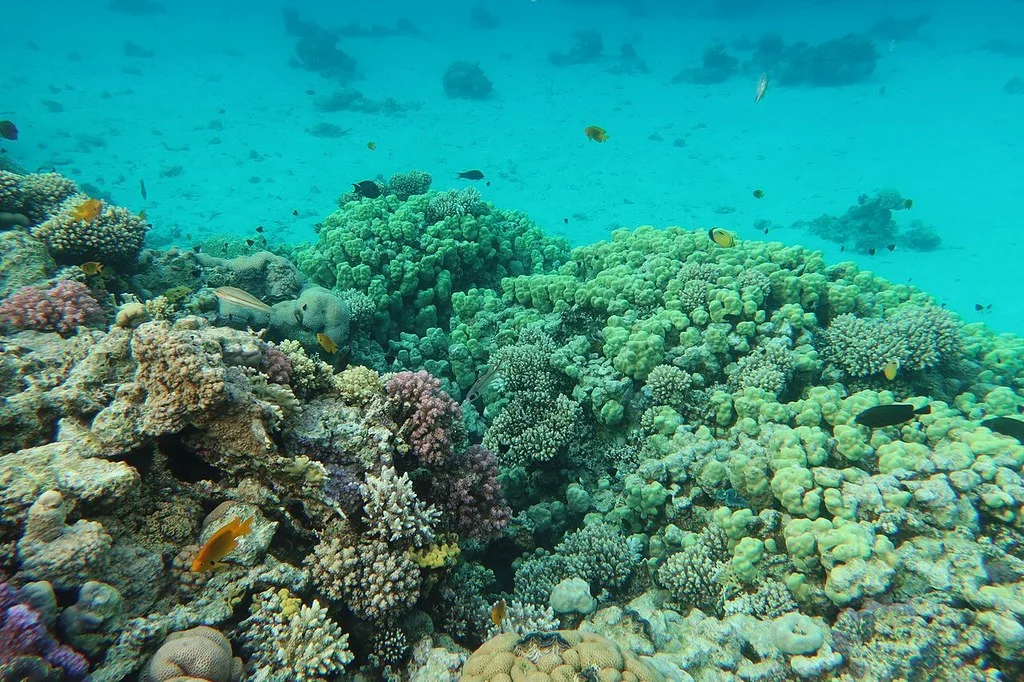
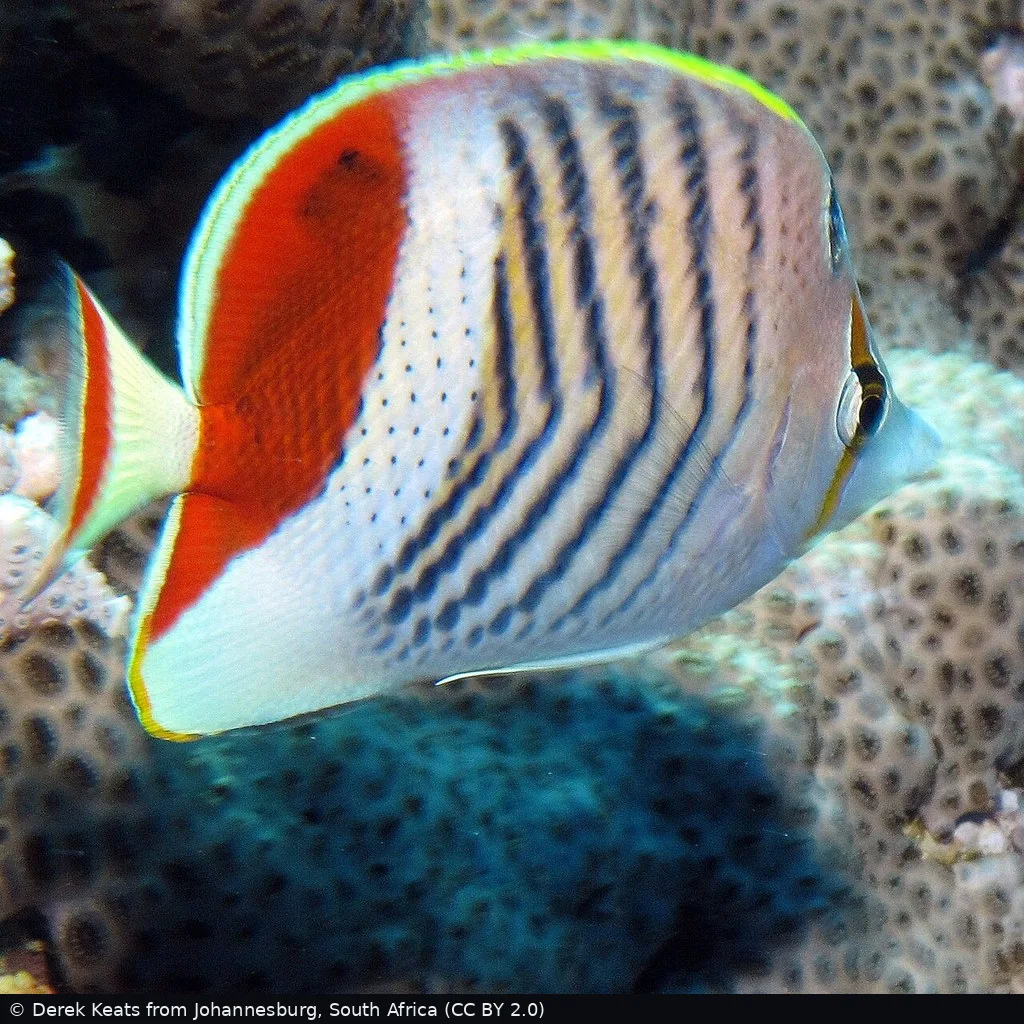
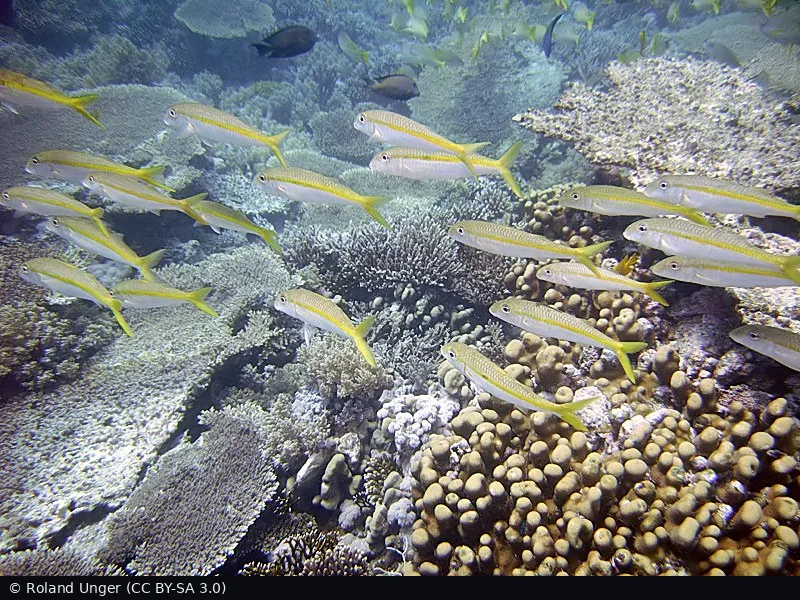
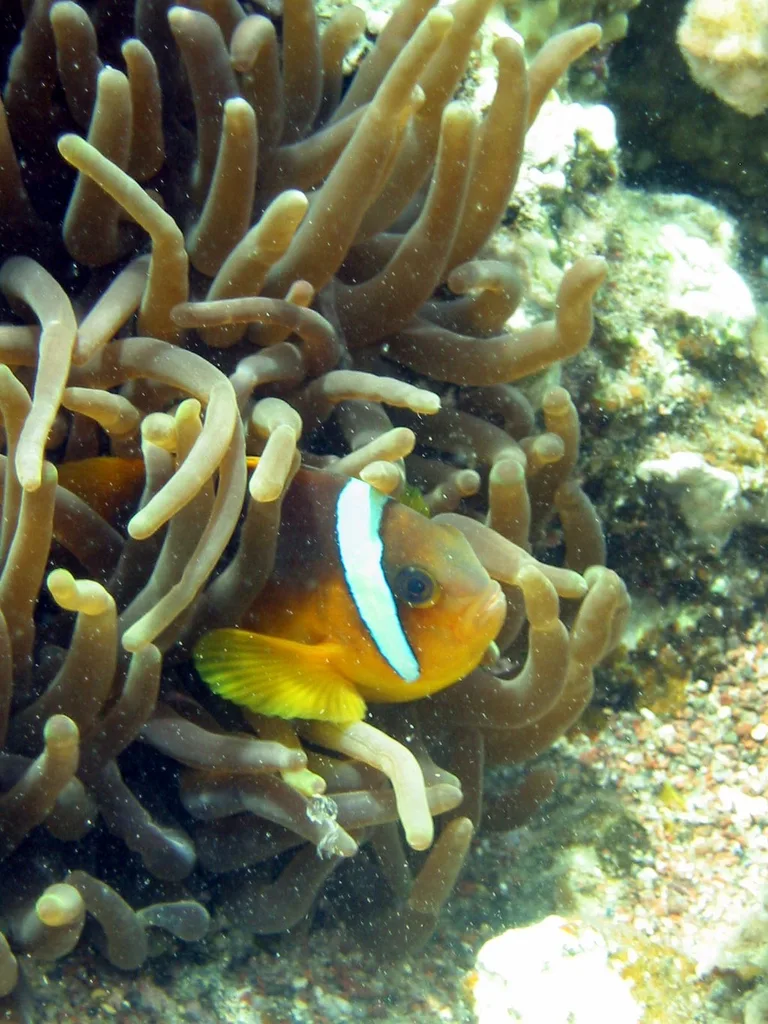
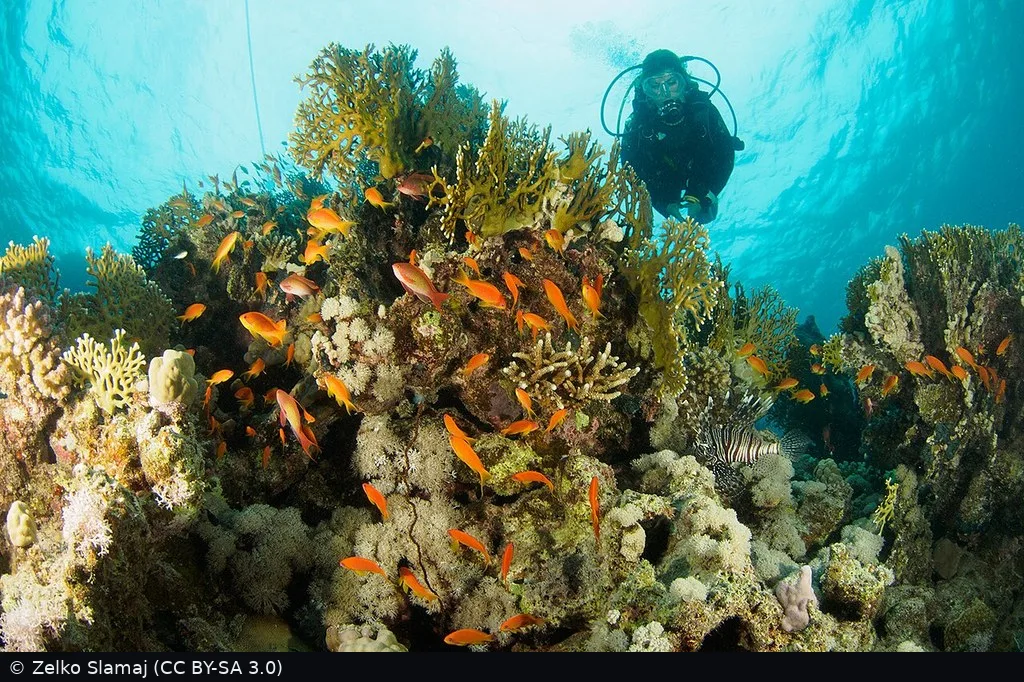
The atlas is organised around the six stretches of Egyptian Red Sea coast that divers actually plan trips around. Each one has its own character — pelagic-fed walls, accessible shore dives, wreck corridors, deep-water liveaboard reefs.
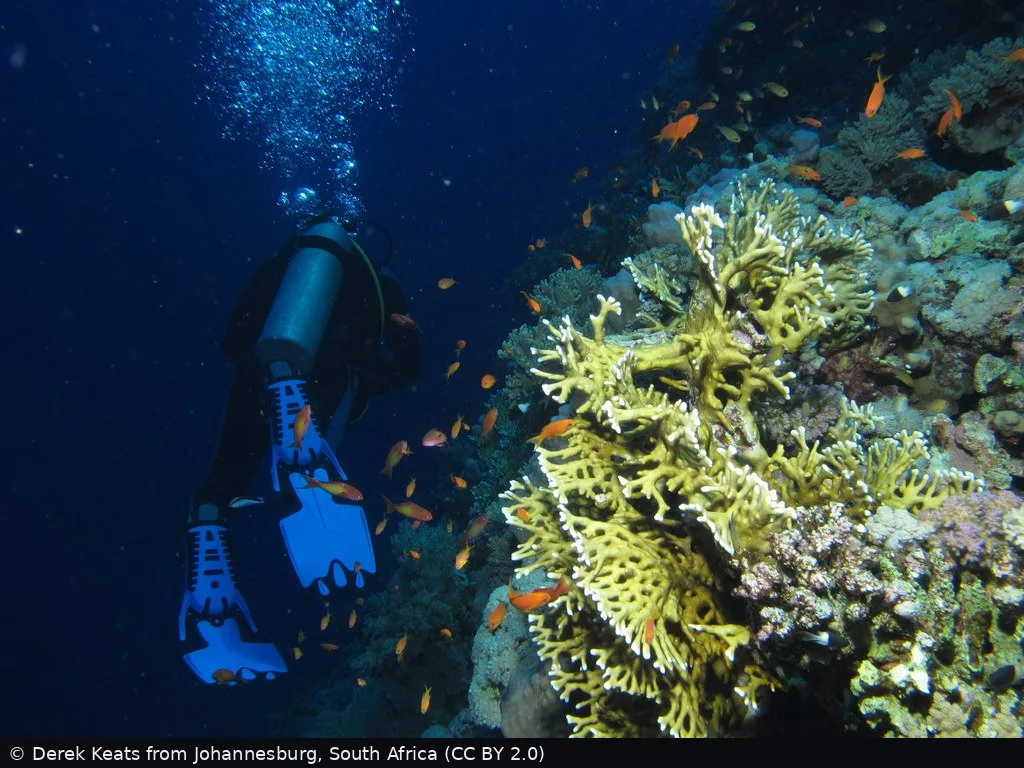
A lone reef and lighthouse far offshore in the central Red Sea, ringed by walls that fall into deep blue. Famous for schooling scalloped hammerheads off the north point in summer, with oceanic whitetips, manta rays and a sprawling anemone city.
A former Bedouin village turned freediving and shore-diving mecca on Sinai's east coast. Calm, contemplative entries straight off the promenade lead to the Blue Hole and the Canyon — two of the most photographed dives in Egypt.
A purpose-built lagoon town just north of Hurghada, and a relaxed base for the northern offshore reefs. Sheltered house reefs and easy boat dives make it a favourite for training and gentle drift dives, with the Gubal wrecks within day-boat reach.
One of the Red Sea's oldest port towns, where the diving is as unhurried as the streets. Pristine fringing reefs run right off the shore — vivid hard coral, mangrove bays and a slow, old-Egypt pace that the bigger resorts have left behind.
Egypt's far-southern frontier, fringed by the mangrove islands of Wadi el Gemal and the maze of the Fury Shoals. Remote and lightly dived, it rewards the journey with untouched hard-coral gardens, swim-throughs and a real sense of wilderness.
The Red Sea's busiest mainland port and day-boat capital. A scatter of fringing reefs and pinnacles — Giftun, Abu Ramada, Umm Gamar and the dolphins of Sha'ab El Erg — make it the place divers build experience before heading south.
The gateway to Egypt's deep south, where coral cover stays superb and encounters get bigger. Dugongs graze the seagrass at Abu Dabbab and Marsa Mubarak, spinner dolphins rest at Samadai, and the wall at Elphinstone draws oceanic whitetips offshore.
A laid-back stretch of Bedouin coast between Taba and Dahab, where the diving is unhurried and uncrowded. Gentle house reefs, seagrass beds grazed by turtles, and long shore entries reward divers looking to escape the busier hubs.
A working port town south of Hurghada with some of the healthiest reefs on the mainland coast. Panorama Reef, Abu Kafan and Middle Reef draw current-fed soft coral, while the Salem Express — a ferry lost in 1991 — makes for one of the Red Sea's most solemn wreck dives.
Egypt's diving capital, where sheer walls plunge into the Gulf of Aqaba. Ras Mohammed National Park and the four reefs of the Straits of Tiran — Jackson, Woodhouse, Thomas and Gordon — channel pelagics through some of the richest, busiest water in the Red Sea.
A sprawling maze of reefs near the Sudanese border, the southern limit of Egyptian diving and reachable only by liveaboard. Coral caves and swim-throughs at St John's Caves, current-swept pinnacles like Habili Ali, and the cleanest water in the country.
The narrows between Sinai and the mainland, where the shipping lane and its reefs have claimed wreck after wreck. The Thistlegorm and the four ships piled on Sha'ab Abu Nuhas — Giannis D, Carnatic, Chrisoula K, Kimon M — make this the pilgrimage of Red Sea wreck divers.
The Red Sea's northernmost Egyptian outpost, tucked into the corner where four countries meet. Quiet, dramatic diving along steep desert-fringed reefs — the Fjord and Taba Heights offer sheltered coral gardens with a backdrop found nowhere else in Egypt.
Two tiny islets rising from the open sea off Quseir, reachable only by liveaboard. Sheer walls drip with soft coral and gorgonians, the Numidia and Aida wrecks cling to Big Brother's tip, and thresher and oceanic whitetip sharks patrol the blue.